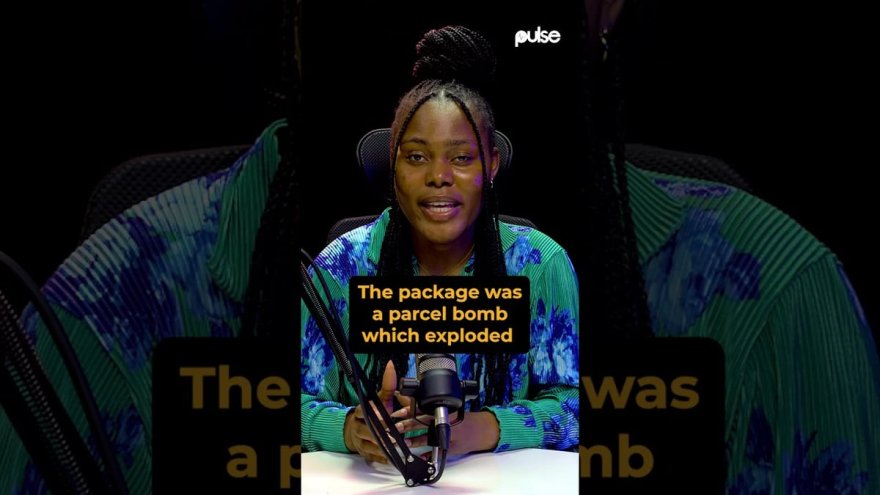
Dele Giwa was a Nigerian journalist, editor, and founder of Newswatch magazine. He was born on March 16, 1947, in Ile-Ife, and was assassinated on October 19, 1986, when a parcel bomb exploded at his Lagos residence. His death remains one of Nigeria’s most high-profile unsolved murder cases.
What Was Dele Giwa’s Full Name?
Dele Giwa’s full name is Sumonu Oladele Giwa. He was also known by the nickname “Baines” Giwa. He was born to Musa and Ayi Elekia Giwa, both originally from Ugbekpe-Ekperi, a town in what is now Edo State.
Where Was Dele Giwa Born?
Dele Giwa was born in Ile-Ife, in Ife Central local government area of present-day Osun State. He was born inside the palace of the Ooni of Ife, Oba Sir Adesoji Tadeniawo Aderemi, where his father worked as a laundry man. His mother stayed at home and sold goods to supplement the family’s income.
What Was Dele Giwa’s Family Background?
Giwa was the oldest of six children in his family. He lost a younger sister to illness at birth, and this loss made him especially protective of his surviving siblings throughout his life.
Was Dele Giwa Married?
Yes. Giwa was married twice during his lifetime. His first marriage was to Florence Ita Giwa in the 1980s, which later ended in divorce. His second marriage was to Olufunmilayo Olaniyan, lasting from 1984 until his death in 1986. He had 5 children in total.
What Was Dele Giwa’s Educational Background?
Giwa pursued his education both in Nigeria and the United States. He studied English at Brooklyn College in New York City and graduated in 1977. He then proceeded to Fordham University for graduate studies, earning a Master’s degree in Public Communications.
He described his time abroad as formative for his journalism career. He explained that leaving Ibadan, where he had worked as a reporter, for the United States allowed him to develop as a journalist while pursuing a strong education.
Did Giwa Work in the United States?
Yes. Giwa spent four and a half years working at The New York Times before returning to Nigeria to continue his journalism career.
What Was Dele Giwa’s Early Career?
Giwa began his journalism career in Nigeria before traveling to the United States. After returning home, he joined the Daily Times newspaper. In 1980, he moved to The Sunday Concord, where he built his reputation as a skilled and committed reporter.
Giwa was known for a particular editorial strength throughout his career. Colleagues described him as someone with complete mastery of what it takes to be a good reporter, distinguished by an unrelenting commitment to quality journalism.
How Did Dele Giwa Found Newswatch?
Giwa co-founded Newswatch magazine in 1984 alongside three other journalists. Examples include Ray Ekpu, Dan Agbese, and Yakubu Mohammed. He became the magazine’s first editor-in-chief.
The magazine launched its first edition on January 28, 1985. Newswatch quickly changed the format of print journalism in Nigeria and introduced bold, investigative formats to news reporting that had not existed before.
What Made Newswatch Different From Other Nigerian Publications?
Newswatch built its reputation on fearless, investigative reporting. The magazine exposed corruption, government excesses, and social injustices during a period when Nigeria was under military rule. Its circulation eventually peaked at 150,000 copies.
The magazine initially had a cooperative relationship with the government. In 1985, the publication praised the new military administration of General Ibrahim Babangida when it first came to power. This relationship deteriorated significantly by 1986, as Newswatch’s criticisms of the administration intensified.
Why Was Dele Giwa Under Government Scrutiny?
Giwa faced increasing scrutiny from Nigeria’s security agencies in the months before his death. Security officials accused him of several activities. Examples include planning a follow-up story on the removal of Commodore Ebitu Ukiwe, supporting socialists seeking to destabilize Nigeria, and planning to import arms into the country.
Lieutenant Colonel Kunle Togun, deputy director of the State Security Service, interrogated Giwa two days before his death and accused him of gun-running and planning a social revolution. Giwa was reportedly so disturbed by these allegations that he called Colonel Halilu Akilu, director of the Directorate of Military Intelligence, to complain.
How Did Dele Giwa Die?
Dele Giwa was killed on the morning of October 19, 1986, when he opened a parcel bomb at his residence at 25 Talabi Street, off Adeniyi Jones Avenue, in Ikeja, Lagos. He unwrapped the package at his breakfast table in front of his family, and the bomb exploded when he opened it. No one else in the room was injured.
The parcel carried specific identifying marks. It bore the inscription “From the office of the C-in-C,” was marked “secret and confidential,” and displayed the government’s coat of arms on the outside. He was rushed to First Foundation Hospital on Opebi Road, Ikeja, where he died from his injuries. His reported last words were, “They got me.”
What Happened the Day Before Giwa’s Death?
On October 18, 1986, Giwa’s wife received a phone call from a man identifying himself as Colonel Halilu Akilu. The caller said an aide-de-camp to the president wanted to deliver an invitation and asked for directions to Giwa’s house. On the morning of the assassination, Akilu reportedly told Giwa over the phone that the earlier allegations against him had been resolved, shortly before the fatal package arrived.
Who Was Suspected in Dele Giwa’s Murder?
Investigations pointed to two security officials as the primary suspects. Colonel Kunle Togun, deputy director of the SSS, and Colonel Halilu Akilu, director of the DMI, were both drawn into the case due to their direct contact with Giwa in the days before his death.
Human rights lawyer Chief Gani Fawehinmi led the independent investigation into the killing. Fawehinmi pursued the case relentlessly until his own death in September 2009, publicly accusing Togun and Akilu of involvement. The Lagos State government filed murder charges against both men, and the matter proceeded to Nigeria’s Supreme Court in the case of Colonel Haliru Akilu vs. Chief Gani Fawehinmi. Both officers denied involvement and won a libel case against Fawehinmi in 1988.
What Theory Linked the Murder to a First Lady Investigation?
One persistent theory connected Giwa’s assassination to an unpublished story. The theory claimed Giwa was targeted for investigating a story linking an alleged drug courier named Gloria Okon to Maryam Babangida, Nigeria’s first lady at the time.
Was Dele Giwa’s Case Ever Resolved?
No. Despite multiple investigations, Dele Giwa’s murder remains officially unsolved. The government initially announced plans for a judicial commission of inquiry, but the commission never materialized.
Nigeria’s Human Rights Violations Investigations Commission, known as the Oputa Panel, later examined the case. The panel was established in June 1999 by President Olusegun Obasanjo, but former military ruler Ibrahim Babangida and the security agents connected to Giwa’s interrogation refused to testify before it.
What Is Dele Giwa’s Legacy?
Giwa is remembered as one of Nigeria’s most influential journalists. He helped redefine investigative journalism in Nigeria and inspired generations of reporters to pursue truth and accountability despite the risks involved. His famous quote, “Nigeria is on fire and the citizens are amused,” remains widely cited in Nigerian journalism circles.
His killing marked a significant turning point in Nigerian press history. It was the first known letter-bomb assassination of a journalist in the country, a method of killing that had no precedent in Nigeria at the time.
Dele Giwa Quick Facts
| Category | Details |
|---|---|
| Full name | Sumonu Oladele Giwa |
| Date of birth | March 16, 1947 |
| Birthplace | Ile-Ife, then British Nigeria |
| Date of death | October 19, 1986 |
| Age at death | 39 |
| Cause of death | Parcel bomb explosion |
| Occupation | Journalist, editor, publisher |
| Known for | Founding Newswatch magazine |
| Education | Brooklyn College, New York City; Fordham University |
| Spouses | Florence Ita Giwa; Olufunmilayo Olaniyan |
| Children | 5 |
| Case status | Officially unsolved |
Final Summary
Sumonu Oladele Giwa rose from a modest upbringing in the Ooni of Ife’s palace to become one of Nigeria’s most respected investigative journalists. His work co-founding Newswatch magazine reshaped Nigerian print journalism during a period of military rule, and his fearless reporting drew direct scrutiny from the country’s security agencies. His assassination by parcel bomb in 1986 shocked the nation and remains unresolved decades later, standing as one of the most significant unsolved cases in Nigeria’s press history.