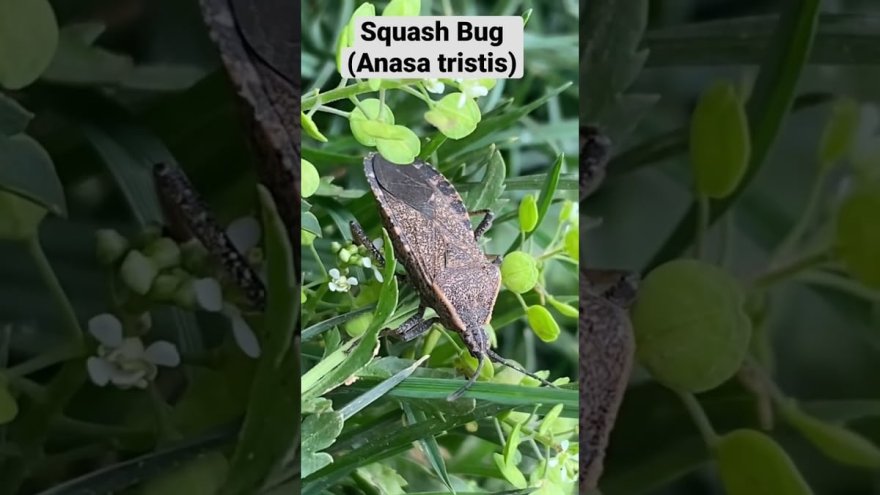
What Is Anasa Tristis?
Anasa tristis is the scientific name for the squash bug, a piercing and sucking insect pest in the family Coreidae. The squash bug attacks cucurbits throughout Central America, the United States, and southern Canada. Adults measure 1.4 to 1.6 centimeters in length and are dark grayish-brown, with the edges of their abdomens usually marked by alternating gold and brown spots.
What Are the Three Life Stages of Anasa Tristis?
Anasa tristis develops through three principal life stages. These stages are egg, nymph, with five instars, and adult. Each stage differs in appearance, behavior, and feeding capacity, shaping how the insect damages cucurbit crops across a growing season.
How Long Does the Squash Bug Egg Stage Last?
Squash bugs lay their eggs on the lower surface of leaves, though eggs can also appear on leaf petioles and flowers. The eggs are bronze in color and shaped like tiny footballs, measuring about one-sixteenth of an inch in length. Eggs usually hatch 7 to 9 days after being laid.
What Happens During the Nymph Stage of Anasa Tristis?
The nymph stage is the longest developmental phase before adulthood. Key features of this stage include:
- Completion of the nymphal stage in about 30 days.
- A size range from one-eighth to one-half inch, depending on instar age.
- Younger, smaller nymphs are hairy, though most of that hair becomes less noticeable as the insect reaches adulthood.
With each molt, nymphs become less hairy, and the thorax and wing pads become more pronounced. This gradual transformation prepares the insect for its final molt into the winged adult stage.
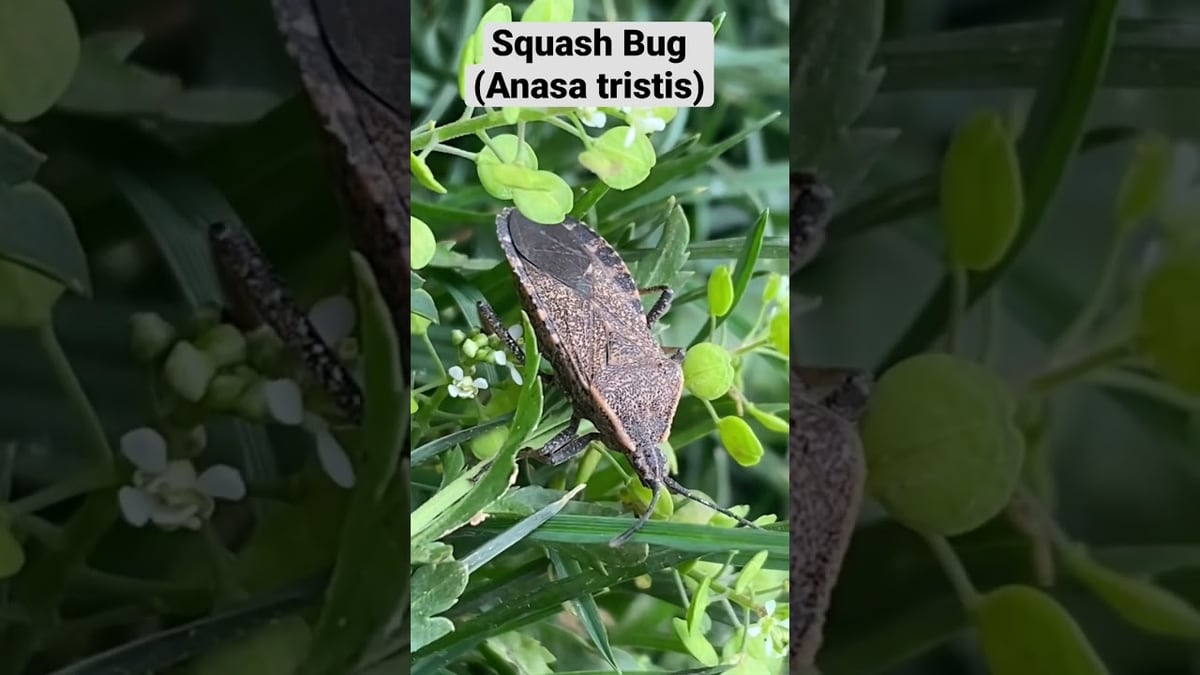
What Does the Adult Squash Bug Look Like?
Adults measure one-half to five-eighths of an inch in length and range from grayish to black in color. Adults are long-lived, surviving an average of about 75 to 130 days, depending on the availability and quality of food. This extended adult lifespan allows a single generation to remain active and reproductive across most of a growing season.
How Long Is the Complete Life Cycle of Anasa Tristis?
The complete life cycle of the squash bug commonly requires six to eight weeks. This same six-to-eight-week cycle allows squash bugs to complete up to three generations per year in Florida.
How Many Generations Does Anasa Tristis Produce Per Year?
The number of generations varies by climate. Squash bugs have one generation per year in northern climates and two to three generations per year in warmer regions. In warmer regions, squash bugs overwinter as adults, preferring to shelter in cucurbit fields under crop debris, clods of soil, and woodpiles.
What Host Plants Does Anasa Tristis Feed On?
Anasa tristis relies on plants in the cucurbit family for both feeding and reproduction. Its host range includes the following crops:
- Squash and pumpkin, the preferred hosts for egg laying and reproduction.
- Cucumber.
- Watermelon.
- Other cucurbits, though with lower rates of successful reproduction.
The squash bug has been reported to attack nearly all cucurbits, but squash and pumpkin are preferred for oviposition and support high rates of reproduction and survival. New World varieties of squash are preferred over other cultivar types.
How Does Anasa Tristis Damage Crops?
The squash bug causes severe damage by secreting highly toxic saliva into plant tissues. Foliage is the primary site of feeding, but squash bugs will also feed on fruit in some cases. Three visible effects follow sustained feeding:
- Foliage wilts, becomes blackened, and dies, a condition sometimes called “anasa wilt.”
- An entire plant or section of a plant can perish while nearby, less-infested plants remain healthy.
- The amount of damage on a plant is directly proportional to the density of squash bugs present.
Does Anasa Tristis Spread Plant Disease?
Yes. The squash bug can act as a vector of the bacterium Serratia marcescens, which causes cucurbit yellow vine disease, a relatively new problem in cucurbit crops. The insect not only transmits this pathogen but also harbors it within its body during winter months when host plants are absent. This makes overwintering adults a key source of disease reintroduction each growing season.
How Difficult Is It to Control Anasa Tristis?
Squash bug adults are difficult to kill with insecticides. Although adult control can be achieved with the correct material, it is generally more effective to target the more susceptible nymph stage. Three practical management steps follow from this biology:
- Monitor the underside of leaves for egg clusters early in the season.
- Target young nymphs with insecticide applications rather than waiting for adults.
- Remove plant debris quickly following harvest, since squash bugs often feed on old fruit or abandoned plantings.
Where Did the Name Anasa Tristis Come From?
The specific epithet tristis comes from the Latin word for “sorrowful.” Researchers have not confirmed whether this name refers to a trait of the insect itself or to the frustration it causes farmers whose cucurbit crops it damages.
Anasa Tristis Life Stages at a Glance
| Life Stage | Duration | Key Features |
|---|---|---|
| Egg | 7 to 9 days | Bronze, football-shaped, laid on leaf undersides |
| Nymph | About 30 days, five instars | Hairy when young, less hairy with each molt |
| Adult | 75 to 130 days | Grayish-brown, overwinters under crop debris |
The table above summarizes the duration and defining features of each life stage in the Anasa tristis life cycle, based on published entomological data.
Frequently Asked Questions About Anasa Tristis
How long does the squash bug life cycle take?
The complete life cycle of Anasa tristis takes six to eight weeks from egg to adult.
How many generations of squash bugs occur per year?
Squash bugs produce one generation per year in northern climates and up to three generations per year in warmer regions.
What plants does Anasa tristis prefer?
Anasa tristis prefers squash and pumpkin, though it also feeds on cucumber, watermelon, and other cucurbits.
How long do adult squash bugs live?
Adult squash bugs survive an average of 75 to 130 days, depending on food availability and quality.
Does the squash bug spread disease?
Yes, the squash bug can transmit the bacterium that causes cucurbit yellow vine disease.